A Journey of Artistic Discovery Across Europe
IN SITU: PARADISO. PLANT PARADE
Organised by Warsaw Autumn, Poland
The Plant Parade is a ULYSSES Platform In Situ project that brings rhythm into the Royal Baths as a manifestation of freedom and collective energy. Katarzyna Krakowiak-Bałka explores how new traditions are grafted and how botanical collections have been displayed, turning gardens into exhibition spaces for centuries. The display of plants and their journeys becomes a composition in space. The performance unfolds in the water, around the Palace on the Isle and its ponds, its choreography springing directly from the architecture’s classical symmetry. The performance and music proceed simultaneously on the north and south sides of the building, producing two coexisting tableaux. The audience cannot experience the event in its entirety from any single vantage point; they absorb it while moving and from afar, poised between what they see and what they hear from the opposite bank. Both the audience and sound itself remain in constant motion.
Paradiso is also a self-contained musical experience. The work was composed for a countertenor, a rapper, a four-voice vocal ensemble, and the plant parade itself—performers wearing living, intricate floral arrangements integral to both the costumes and the sculptural articulation of space. The work unfolds over a fifty-minute structure comprising fourteen short scenes performed live. At its core is a recurring melody that travels among the voices, water, architecture, and participants. Looping is the means by which this acoustic fabric is built: small and large loops grow out of the rhythms of wandering, the passage of time, and recurring rituals. The loop becomes a figure for migration. It signifies not mechanical repetition, but the continuous flow and wandering of forms, melodies, and memories.
The movement seems to return to its point of departure, yet each time it is carried by different bodies, landscapes, and histories. The palace is no ordinary stage: water becomes the true instrument. The surface of the ponds acts like a giant membrane, carrying and reflecting sounds. Through water, we listen and transmit the voice. Hydrophones submerged beneath the surface reveal the site’s hidden acoustic layers, while the music travels between the banks. The parade gradually unfolds, each successive performer appearing like a new species introduced into a shared landscape. Sound, movement, and vegetation merge into a vast archive of movement. Paradiso tells of a landscape built from arrivals, acclimatisation, encounters, and care—a world in which plants have crossed borders for centuries, forming new communities and modes of coexistence.
Dates: Friday 25 September / 16:00 & Saturday 26 September / 13:00
Venue: Royal Łazienki Museum / Palace on the Isle
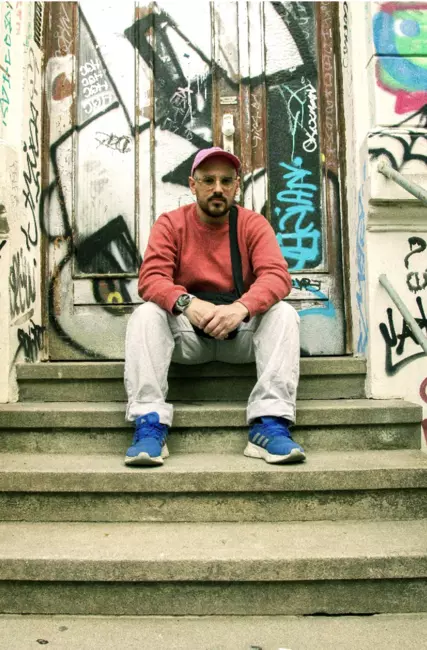
asthma rapper
Michał Sławecki countertenor
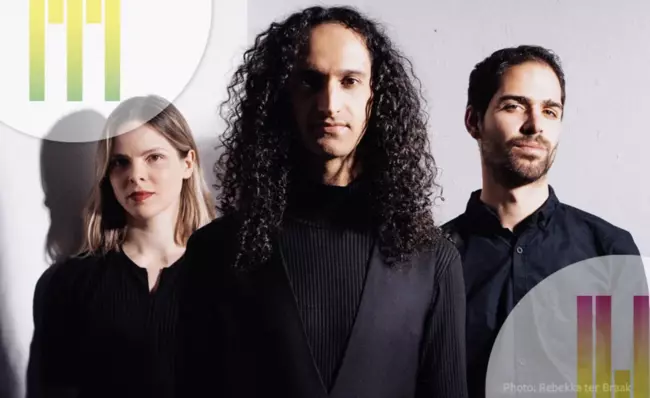
proMODERN:
Elina Viluma-Helling soprano
Cornelia Sonnleithner alto
Hugo Paulsson Stove tenor
Piotr Pieron bass, artistic direction
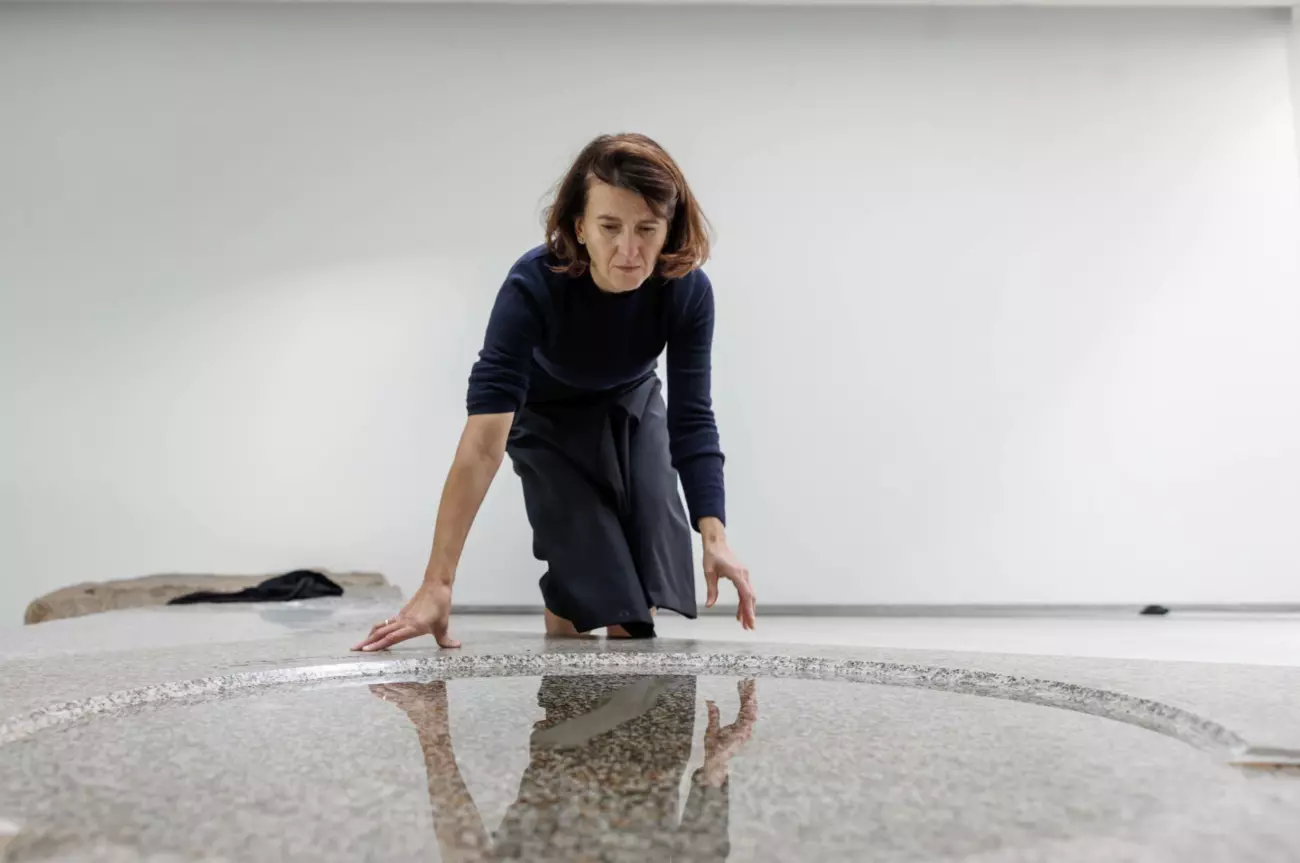
Katarzyna Krakowiak-Bałka concept, script, direction, performance
Rafał Zalech musical narrative, viola
Anna Zeman costumes
Paweł Nowicki sound projection